When Dust Keeps Coming Back: A Sign of Dirty Ducts in Morristown
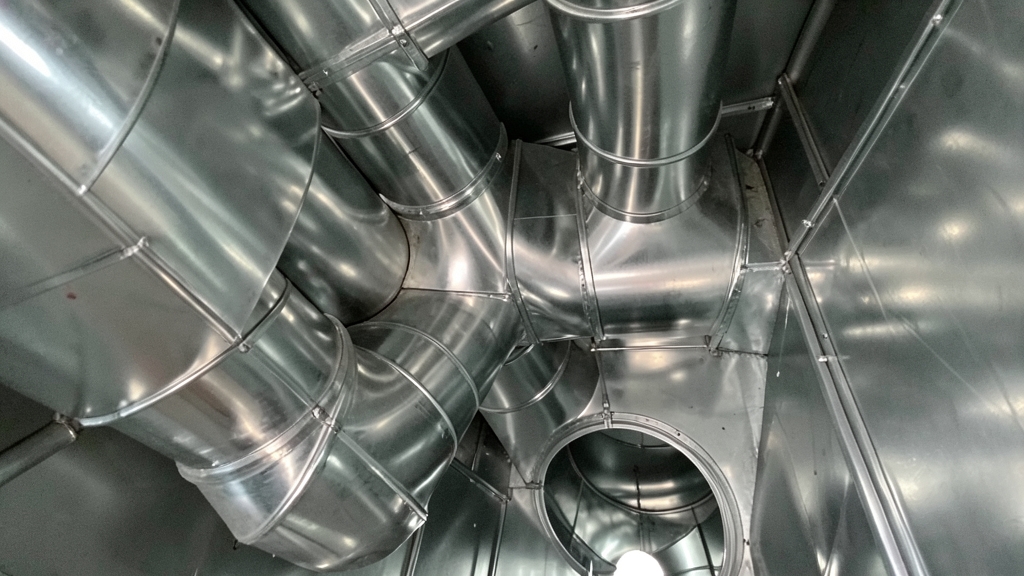
You dust the shelves, vacuum the floors, and still, that fine layer returns within days. If this sounds familiar, your air ducts might be the hidden source. Dirty ducts don’t just recirculate dust—they spread allergens, reduce HVAC efficiency, and even shorten your system’s lifespan.
Why Dust Keeps Reappearing in Your Home
Dust isn’t just a surface issue—it’s airborne. When your HVAC system kicks on, it pulls air through return vents, past the filter, and into the ductwork. If ducts are clogged with years of debris, that dust gets blown right back into your living spaces.
Morris County’s seasonal shifts—from humid summers to dry winters—mean more pollen, pet dander, and outdoor particles get trapped indoors. Without clean ducts, these contaminants keep cycling through your home, no matter how often you clean.
Top Signs Your Air Ducts Need Cleaning
Visible dust puffs from vents when the system starts are a dead giveaway. So are dark streaks around supply registers or a musty odor that lingers, especially after running the heat or A/C.
Uneven airflow or rooms that never seem to warm up (or cool down) can also point to duct blockages. In older homes near Morris Plains or Randolph, aging ductwork may even harbor mold or pest debris.
Red Flags for Dirty Ducts
- Dust builds up immediately after cleaning
- Allergy symptoms worsen indoors
- Vents emit a stale or musty smell
- Increased energy bills with no clear cause
- Visible mold growth near duct openings
How Dirty Ducts Affect Indoor Air Quality
The EPA ranks indoor air pollution among the top five environmental health risks. Clogged ducts act like a reservoir for allergens, bacteria, and even volatile organic compounds (VOCs) from household cleaners or off-gassing furniture.
For families in Madison or Parsippany with asthma or allergies, dirty ducts can trigger flare-ups. Even healthy individuals may experience headaches, fatigue, or respiratory irritation from poor air circulation.
If you notice black mold or excessive moisture in ducts, avoid running the HVAC until a professional inspects for mold remediation needs. This is especially critical in humid NJ summers.
Dirty Ducts vs. Other HVAC Issues: What’s the Real Problem?
Not all dust or airflow problems stem from dirty ducts. A clogged air filter, failing blower motor, or leaky ductwork can mimic the same symptoms. That’s why a thorough inspection is key.
In Morris Township, older homes may have undersized ducts or poor sealing, which can pull in unfiltered air from attics or crawl spaces. Our team checks for these issues during every duct cleaning service.
| Symptom | Dirty Ducts | Other Possible Causes |
|---|---|---|
| Dust reappears quickly | Yes – recirculated debris | Poor air filter (low MERV rating) |
| Musty odors | Yes – mold/mildew in ducts | Dirty evaporator coil or drain pan |
| Weak airflow | Partial – if ducts are severely clogged | Blocked vents, failing blower, or duct leaks |
| High energy bills | Yes – restricted airflow forces HVAC to work harder | Thermostat issues, refrigerant leaks, or dirty coils |
| Allergy symptoms | Yes – allergens in ducts | Pet dander, pollen, or outdoor pollution |
The Air Duct Cleaning Process: What to Expect
We start with a visual inspection using a borescope camera to assess the ductwork’s condition. This helps us identify heavy buildup, mold, or structural damage in sheet metal or flex ducts.
Next, we use high-powered vacuums and agitating tools (like brushes or air whips) to dislodge debris. For stubborn contamination, we may apply a sanitary treatment to kill mold spores and bacteria. The process typically takes 2–4 hours, depending on your home’s size and duct complexity.
Does Duct Cleaning Help with Dust? The Proof
Independent studies show that professional duct cleaning can reduce airborne dust by 30–50% in the first month. The improvement is even more dramatic in homes with pets, smokers, or recent renovations.
In Morristown, where older homes and seasonal allergies are common, many homeowners report less frequent dusting and fewer allergy symptoms after a thorough cleaning. For long-term results, pair duct cleaning with regular filter changes and Indoor Air Quality Testing.
Replace your HVAC filter immediately after duct cleaning to prevent recontamination. Use a MERV 8–13 filter for optimal balance between filtration and airflow.
When to Call a Professional vs. DIY Solutions
While you can clean vent covers or use a shop vac for surface dust, most ductwork is inaccessible without specialized tools. DIY attempts often miss hidden buildup or damage delicate duct linings.
Professionals also have the equipment to clean components like the air handler, coils, and dryer vents—critical for homes in Morris Plains or Randolph where lint buildup poses a fire risk. If you suspect mold, pest infestations, or excessive dust, it’s best to call in experts.
Preventing Dust Buildup After Cleaning
Regular maintenance is key. Schedule HVAC tune-ups annually, and change filters every 1–3 months. Consider upgrading to a higher MERV filter or adding an air purifier for extra protection.
Seal duct leaks to prevent unfiltered air from entering the system. In humid NJ summers, a dehumidifier can also reduce moisture that fosters mold and dust mites in ducts.
How to Check Your Ducts for Dust Buildup
A quick at-home inspection can reveal whether your ducts need professional attention.
- 1Remove and Inspect Vent Covers
Unscrew a few supply and return vent covers. Use a flashlight to look for dust cakes or debris inside the first few feet of ductwork.
- 2Check for Dust Puffs
Turn on the HVAC and stand near the vents. If you see dust clouds when the system starts, it’s a sign of buildup further in the ducts.
- 3Look for Dark Streaks
Dark lines around vent openings or on walls near registers often indicate dirt being blown out of the ducts.
- 4Smell for Musty Odors
Run the system for 10–15 minutes, then sniff near the vents. A stale or musty smell suggests mold or mildew in the ductwork.
- 5Assess Airflow
Hold a tissue near the vents. Weak airflow could mean clogged ducts or other HVAC issues requiring professional diagnosis.
- 6Review Your Filter
If your filter is clogged within a month of replacement, your ducts may be circulating excessive debris.
Frequently Asked Questions
How often should I clean my air ducts in Morristown?
Most homes benefit from duct cleaning every 5–7 years. However, if you have pets, allergies, or recent renovations, consider cleaning every 3–5 years. Homes in high-pollen areas like Madison may need more frequent attention.
Can dirty ducts make my allergies worse?
Absolutely. Dirty ducts circulate dust mites, pet dander, pollen, and mold spores—all common allergy triggers. Cleaning the ducts, along with HVAC Coil Cleaning and Indoor Air Quality Testing, can significantly reduce symptoms.
Will duct cleaning lower my energy bills?
Yes, if your ducts are severely clogged. Restricted airflow forces your HVAC system to work harder, increasing energy use. While savings vary, many homeowners see a noticeable drop in costs after cleaning, especially in older homes near Morris Township.
What’s the difference between air duct cleaning and dryer vent cleaning?
Air duct cleaning focuses on your HVAC system’s supply and return ducts, while dryer vent cleaning targets the vent leading from your dryer to the outside. Both are critical—lint buildup in dryer vents is a fire hazard, and clogged HVAC ducts reduce efficiency.
Do UV lights in ducts really work?
UV-C lights can kill mold, bacteria, and viruses in ductwork, improving indoor air quality. They’re especially useful in humid climates like NJ’s, where moisture can foster microbial growth. We often recommend UV Light & Sanitization Treatment alongside duct cleaning for homes with mold concerns.
Is duct cleaning messy?
Not with professionals. We use contained vacuum systems and drop cloths to protect your home. The process is designed to capture debris at the source, so you won’t find dust settling on your furniture afterward.