Understanding the Health Risks of Damaged Ducts in Morristown
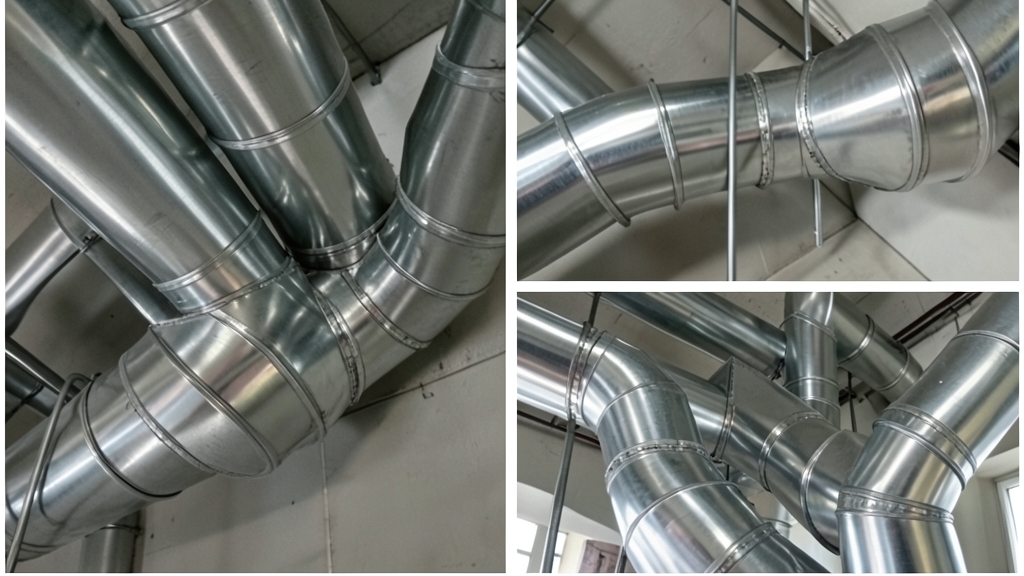
Damaged or poorly maintained ductwork doesn’t just hurt your HVAC’s performance—it can actively harm your health. In Morristown’s humid summers and cold winters, compromised ducts become breeding grounds for mold, bacteria, and allergens that circulate through your home. We’ve seen firsthand how addressing these issues restores air quality and system efficiency.
How Damaged Ducts Compromise Indoor Air Quality
Cracks, gaps, or disconnected joints in ductwork pull in unfiltered air from attics, crawl spaces, or basements. In older Morristown homes, this often means dust, insulation fibers, and even pest debris entering your living spaces.
Moisture from humidity or leaks promotes mold growth inside ducts. Once airborne, mold spores trigger allergies, asthma, and respiratory infections—especially in sensitive individuals.
Common Health Symptoms Linked to Poor Duct Condition
Unexplained headaches, fatigue, or sinus congestion often improve after duct cleaning or repair. These symptoms frequently stem from prolonged exposure to contaminated air.
Skin irritation, dry throat, or worsened allergy symptoms can signal high particulate levels. In Morris Township and Morris Plains, pollen and outdoor pollutants exacerbate these issues when ducts aren’t sealed properly.
Visible mold near vents, musty odors, or black dust around registers are red flags. These require professional inspection and remediation, not just cleaning.
Damaged Ducts vs. Dirty Ducts: Key Differences
Dirty ducts circulate dust and reduce airflow but may not always cause health issues. Damaged ducts, however, allow contaminants to enter the system continuously, making the problem far worse.
| Issue | Dirty Ducts | Damaged Ducts |
|---|---|---|
| Primary Contaminants | Dust, pet dander, pollen | Mold, insulation particles, pest droppings, outdoor pollutants |
| Airflow Efficiency | Reduced due to buildup | Severely reduced; may cause backdrafting |
| Health Risk Level | Moderate (allergens) | High (mold, VOCs, pathogens) |
| Common Fix | Professional cleaning | Sealing, repair, or replacement + cleaning |
Why Morristown’s Climate Worsens Duct Problems
High summer humidity in New Jersey accelerates mold growth in ducts, especially in unconditioned spaces like attics. Without proper sealing, warm, moist air condenses inside metal ducts, creating ideal conditions for spores.
Winter heating demands can dry out and crack older duct materials. In neighborhoods like Madison or Randolph, older homes with original ductwork are particularly vulnerable to these seasonal stresses.
Long-Term Risks of Ignoring Duct Damage
Chronic exposure to poor indoor air quality can lead to respiratory diseases, cardiovascular issues, and weakened immune response over time. Children, the elderly, and those with pre-existing conditions are most at risk.
Structurally, damaged ducts force your HVAC to work harder, shortening its lifespan. This inefficiency also drives up energy costs, a concern for homeowners across Parsippany and Morristown.
If some rooms are harder to heat or cool, or if you notice higher utility bills, damaged ducts could be the culprit. A professional inspection can confirm.
Professional Solutions for Damaged Ductwork
We start with a thorough inspection using cameras and airflow tests to locate leaks, blockages, or mold. This data guides whether cleaning, sealing, or replacement is needed.
For mold or microbial growth, we often pair duct cleaning with UV light sanitization or coil cleaning to ensure contaminants don’t return. Dryer vent cleaning is also critical, as lint buildup can worsen indoor air quality.
Signs Your Ducts Need Professional Attention
- Visible mold on or around vents
- Whistling or rattling noises from ducts
- Uneven heating or cooling between rooms
- Excessive dust accumulation on furniture
- Musty or stale odors when HVAC runs
Preventing Future Duct Damage and Health Risks
Regular maintenance is key. We recommend air duct cleaning every 3–5 years, or more often if you have pets, allergies, or recent renovations. Annual HVAC inspections can catch minor issues before they escalate.
Upgrading to sealed, insulated ductwork during renovations improves efficiency and air quality. In commercial spaces, adherence to stricter standards for commercial duct cleaning helps protect occupants.
How to Inspect Your Ducts for Damage
A quick visual and sensory check can reveal obvious problems before they worsen.
- 1Check for Visible Issues
Remove vent covers and use a flashlight to look for dust buildup, mold, or disconnected sections. Pay attention to joints and seams.
- 2Test Airflow
Hold a tissue near supply vents while the HVAC runs. Weak airflow may indicate blockages or leaks in the ductwork.
- 3Listen for Unusual Noises
Whistling or hissing sounds often signal air escaping through gaps. Rattling could mean loose components.
- 4Smell for Odors
Musty or metallic smells when the system runs can point to mold or moisture issues inside the ducts.
- 5Look for Hot or Cold Spots
Walk through your home and note rooms that are consistently harder to heat or cool. This often traces back to duct problems.
Frequently Asked Questions
Can damaged ducts cause carbon monoxide leaks in Morristown homes?
Yes, if your system uses gas or oil, cracked or disconnected ducts can create negative pressure, pulling exhaust gases like carbon monoxide back into your home. This is a serious hazard requiring immediate professional attention.
How do I know if my ducts have mold?
Visible mold around vents, a persistent musty odor, or health symptoms that improve when you’re away from home are strong indicators. Professional indoor air quality testing can confirm mold presence and species.
Is duct cleaning enough to fix damaged ducts?
Cleaning removes contaminants but won’t repair structural issues like gaps, cracks, or crushed sections. Sealing or replacing damaged ducts is often necessary for a long-term solution.
Are newer homes in Morris Plains less likely to have duct problems?
Not necessarily. While newer homes may have better-sealed ducts, poor installation, low-quality materials, or construction debris left in ductwork can still cause issues. Regular inspections are wise regardless of age.
What’s the difference between duct cleaning and duct sanitization?
Cleaning removes dust and debris mechanically. Sanitization—often using UV light or antimicrobial treatments—kills mold, bacteria, and viruses. For health concerns, we often recommend both.
Do damaged ducts affect my HVAC warranty?
Possibly. Many manufacturers require proof of regular maintenance, including duct inspections. Neglecting damaged ducts could void warranty coverage if it leads to system failure.